
The phrase “farewell to life on Earth” carries a profound emotional weight. It evokes thoughts of finality, transformation, and reflection on what it truly means to exist on this planet. Whether interpreted as a philosophical meditation, a scientific possibility, or a poetic farewell, it forces us to confront our relationship with nature, humanity, and time itself.
This article explores the idea of leaving Earth behind—physically, emotionally, or symbolically—through multiple lenses including science, philosophy, environmental awareness, and human legacy.
Quick Overview
- Theme: Reflection on life, extinction, and transition
- Focus: Humanity, environment, and future possibilities
- Perspective: Philosophical, scientific, emotional
- Core Idea: Understanding what it means to say goodbye to Earth
The Meaning of “Farewell”
A farewell is more than a goodbye—it is a moment of acknowledgment. It signifies:
- The end of a chapter
- Recognition of what once was
- Acceptance of change or loss
When applied to Earth, it becomes a deeply emotional and existential concept. It asks:
- What are we leaving behind?
- What have we learned?
- What legacy remains?
Related Post: Lee Goldberg Net Worth, Salary, Family, Age, Wife
Earth: Our Only Home
Earth is not just a planet—it is a living system that has supported billions of years of life.
Key Characteristics of Earth
- Rich biodiversity
- Stable atmosphere
- Abundant water
- Complex ecosystems
From forests to oceans, deserts to mountains, Earth has been a cradle of life and evolution.
The Beauty We Leave Behind
Saying farewell to Earth means acknowledging its unmatched beauty:
- Sunrises over oceans
- The silence of forests
- The vastness of the night sky
- The diversity of living creatures
These experiences define what it means to be alive.
Humanity’s Journey on Earth
Humans have evolved from simple beginnings into a technologically advanced civilization.
Key Milestones
- Development of language
- Agricultural revolution
- Industrial revolution
- Digital age
Each step brought progress—but also new challenges and consequences.
The Impact of Human Activity
While humanity has achieved incredible advancements, it has also caused significant harm:
Environmental Issues
- Climate change
- Deforestation
- Pollution
- Loss of biodiversity
These challenges raise an important question:
Are we saying farewell to Earth—or forcing Earth to say farewell to us?
The Concept of Extinction
Extinction is a natural part of life’s history, but human-driven extinction is accelerating at an alarming rate.
Types of Extinction
- Natural extinction
- Mass extinction
- Human-induced extinction
The idea of a sixth mass extinction is often discussed in scientific communities.
A Scientific Perspective: Could Life End on Earth?
From a scientific standpoint, several scenarios could lead to the end of life on Earth:
1. Climate Collapse
Extreme environmental changes could make Earth uninhabitable.
2. Asteroid Impact
A large collision could disrupt ecosystems globally.
3. Nuclear War
Human conflict could result in widespread destruction.
4. Solar Evolution
In billions of years, the Sun will expand, making Earth uninhabitable.
Leaving Earth: A New Beginning?
Some believe that humanity’s future lies beyond Earth.
Space Exploration Goals
- Colonizing other planets
- Building space habitats
- Ensuring survival of the species
However, leaving Earth raises ethical and philosophical questions:
- Can we truly replace Earth?
- What responsibilities do we carry forward?
Emotional Dimensions of Farewell
A farewell to Earth is not just physical—it is deeply emotional.
Feelings Involved
- Nostalgia
- Gratitude
- Regret
- Hope
It is a moment of reflection on everything we have experienced and everything we might lose.
Philosophical Reflections
Philosophers have long questioned the nature of existence and endings.
Key Questions
- What gives life meaning?
- Does an ending diminish value—or enhance it?
- Is farewell a loss or a transformation?
A farewell to Earth may symbolize the ultimate transition.
Nature’s Perspective
If Earth could speak, what would it say?
Perhaps it would reflect on:
- The rise and fall of species
- The resilience of ecosystems
- The impact of human activity
Nature is both fragile and powerful, capable of recovery yet vulnerable to destruction.
Lessons from the Past
History teaches us valuable lessons:
- Civilizations rise and fall
- Resources are finite
- Balance is essential
Ignoring these lessons could accelerate our farewell.
Hope Amid Uncertainty
Despite the challenges, there is still hope.
Positive Developments
- Renewable energy
- Conservation efforts
- Global awareness
- Technological innovation
These efforts suggest that a farewell is not inevitable—it may still be avoidable.
The Role of Responsibility
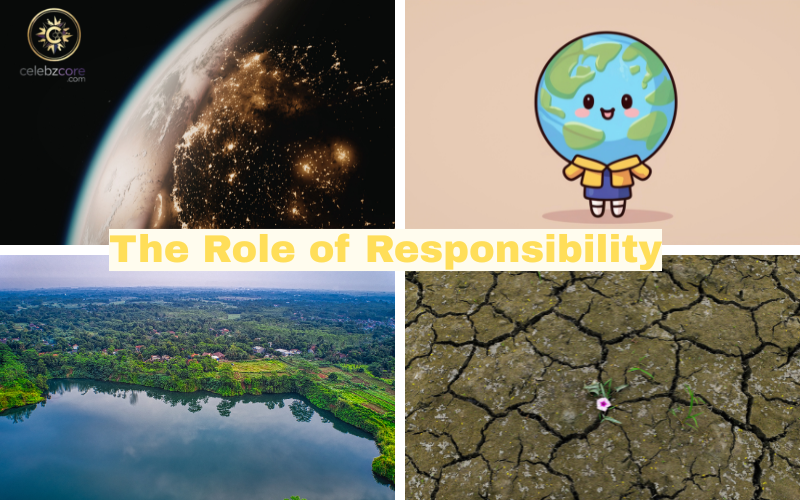
Humanity holds a unique responsibility:
- Protect the environment
- Preserve biodiversity
- Ensure sustainable development
Our actions today determine whether we say farewell—or continue thriving.
Legacy of Humanity
What will humanity leave behind?
Possible Legacies
- Scientific achievements
- Cultural heritage
- Environmental damage
- Lessons for future generations
Our legacy will shape how we are remembered.
Related Post: Neuro Gum Net Worth, Biography, All Info
A Personal Reflection
On an individual level, the idea of leaving Earth invites introspection:
- What does Earth mean to you?
- What memories define your existence?
- What would you miss the most?
These questions connect us to the essence of being human.
The Dual Nature of Farewell
A farewell is both an ending and a beginning.
- It closes one chapter
- It opens another
Whether humanity remains on Earth or ventures beyond, the journey continues.
(FAQs)
What does “farewell to life on Earth” mean?
It refers to the idea of leaving Earth behind, whether due to extinction, environmental collapse, or space migration.
Is humanity really at risk of extinction?
While not immediate, risks such as climate change and global conflicts pose significant challenges.
Can humans live on other planets?
Scientists are exploring possibilities, but no planet currently offers the same conditions as Earth.
Conclusion
“Farewell to life on Earth” is not just a statement—it is a powerful reflection on existence, responsibility, and the future. It challenges us to consider the fragility of our world and the impact of our choices.
Earth has given humanity everything: life, beauty, resources, and opportunity. Whether we ultimately leave it behind or preserve it for generations to come depends on our actions today.
In the end, a farewell is not merely about loss—it is about understanding, gratitude, and the hope for what comes next.
For More Info Visit: Celebzcore